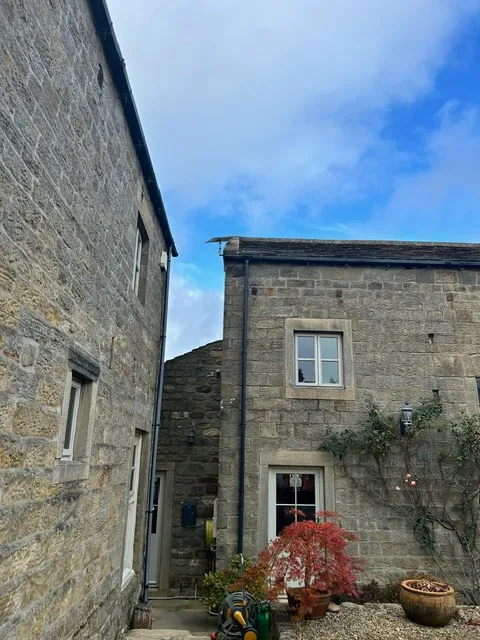
📊 CCTV System Design Reference Infographic
📊 CCTV System Design Reference Infographic
Optimal Camera Angles: High Elevation vs Eye-Level Placement for Facial Recognition
📊 CCTV System Design Reference Infographic
When installing CCTV systems equipped with facial recognition capabilities, selecting the optimal camera angle is crucial. This decision significantly impacts the system’s effectiveness and coverage area. In this blog post, we will delve into the advantages and disadvantages of high elevation versus eye-level placement to help you make an informed choice for your specific security needs.
📊 CCTV System Design Reference Infographic
High Elevation Placement
Advantages:
- Increased Coverage Area: Placing cameras at a higher vantage point allows them to cover larger areas, including entrances, exits, and parking lots.
- Reduced Vandalism Risk: Cameras positioned out of reach are less likely to be tampered with or damaged by individuals seeking to avoid surveillance.
Disadvantages:
- Blurred Imagery at Close Ranges: The angle of elevation may result in distant subjects appearing clear while close-range images suffer from distortion, reducing the effectiveness of facial recognition algorithms.
- Potential Privacy Concerns: High-angle cameras may inadvertently capture sensitive areas or individuals’ private spaces, leading to privacy concerns.
Eye-Level Placement
Advantages:
- Clear Facial Details: Cameras positioned at eye level are better suited for capturing high-quality images that effectively feed into facial recognition systems, ensuring accurate identification.
- Reduced Privacy Intrusion: The lower angle minimizes the capture of private spaces and activities, mitigating potential privacy concerns.
Disadvantages:
- Limited Coverage Area: Eye-level cameras offer a more restricted field of view, limiting their ability to monitor large areas effectively.
- Increased Vulnerability to Vandalism: Cameras placed at a lower height are more accessible and thus face a higher risk of damage or tampering.
Factors Influencing the Choice
The optimal camera angle selection hinges on several key factors:
- Security Requirements: The specific security needs of your property dictate whether increased coverage, reduced vandalism risk, or privacy concerns take precedence.
- Facility Layout: The physical layout and size of the area to be monitored significantly impact which angle provides the best balance between coverage and effectiveness.
- Budget Constraints: High elevation installations may require additional equipment or infrastructure, influencing your decision based on budgetary limitations.
Installation Considerations
Checklist for High Elevation Placement:
- Ensure the camera has sufficient zoom capabilities to compensate for distance.
- Verify that the angle of elevation does not compromise image quality at close ranges.
- Consider the need for specialized mounts and brackets.
Checklist for Eye-Level Placement:
- Position cameras in a manner that minimizes reflection and glare on lenses.
- Ensure proper lighting conditions are maintained, particularly in low-light environments.
- Optimize camera settings to balance resolution with field of view requirements.
🎥 Professional Video Tutorial & Guide
❓ Frequently Asked Questions
Q: Q: How do I determine the optimal angle for my CCTV cameras?
A: A: The optimal angle depends on your specific needs and facility layout. Consult a professional installer who can assess your site and provide tailored recommendations.
Q: Q: Are there any legal considerations when installing facial recognition systems?
A: A: Yes, it is crucial to adhere to data protection laws and guidelines, such as GDPR in the UK. Consulting with legal professionals specialized in data privacy is recommended before installation.
Q: Q: Can I retrofit existing CCTV cameras with facial recognition capabilities?
A: A: In many cases, yes. However, ensuring compatibility between your existing camera hardware and chosen facial recognition software is essential for seamless integration.
Q: Q: What maintenance should I perform on my facial recognition-enabled CCTV system?
A: A: Regularly review the system's performance, update software when necessary, maintain clear communication paths (e.g., ensure network cables are not damaged), and periodically test facial recognition accuracy. In conclusion, selecting between high elevation and eye-level placement for your facial recognition-equipped CCTV cameras requires careful consideration of various factors. By evaluating the pros and cons of each approach, aligning with your specific security needs, and following installation best practices, you can optimize the effectiveness and coverage area of your system while mitigating potential risks and vulnerabilities.
🛠️ Technical Industry Standards & Documentation
Verified compliance with UK building codes and installation directives.
🎥 Professional Video Tutorial & Guide
❓ Frequently Asked Questions
Q: What are the main UK standards regarding Optimal Camera Angles: High Elevation vs Eye-Level Placement for Facial Recognition?
A: When planning installations, we ensure full compliance with relevant British Standards (e.g., BS EN 62676 for CCTV or BS EN 50131 for alarm systems) and local building control regulations.
Q: How long does a standard professional cctv security installation take?
A: Typically, a residential or light commercial installation ranges from 4 to 8 hours depending on cable runs, wall construction type, and access requirements.
Q: How can I request a custom survey for my property?
A: You can contact us directly via our online contact page to schedule an engineer-grade site audit and design consultation.
🛠️ Technical Industry Standards & Documentation
Verified compliance with UK building codes and installation directives.
🎥 Professional Video Tutorial & Guide
❓ Frequently Asked Questions
Q: What are the main UK standards regarding Optimal Camera Angles: High Elevation vs Eye-Level Placement for Facial Recognition?
A: When planning installations, we ensure full compliance with relevant British Standards (e.g., BS EN 62676 for CCTV or BS EN 50131 for alarm systems) and local building control regulations.
Q: How long does a standard professional cctv security installation take?
A: Typically, a residential or light commercial installation ranges from 4 to 8 hours depending on cable runs, wall construction type, and access requirements.
Q: How can I request a custom survey for my property?
A: You can contact us directly via our online contact page to schedule an engineer-grade site audit and design consultation.
🛠️ Technical Industry Standards & Documentation
Verified compliance with UK building codes and installation directives.
🎥 Professional Video Tutorial & Guide
❓ Frequently Asked Questions
Q: What are the main UK standards regarding Optimal Camera Angles: High Elevation vs Eye-Level Placement for Facial Recognition?
A: When planning installations, we ensure full compliance with relevant British Standards (e.g., BS EN 62676 for CCTV or BS EN 50131 for alarm systems) and local building control regulations.
Q: How long does a standard professional cctv security installation take?
A: Typically, a residential or light commercial installation ranges from 4 to 8 hours depending on cable runs, wall construction type, and access requirements.
Q: How can I request a custom survey for my property?
A: You can contact us directly via our online contact page to schedule an engineer-grade site audit and design consultation.
🛠️ Technical Industry Standards & Documentation
Verified compliance with UK building codes and installation directives.
📊 CCTV System Design Reference Infographic
