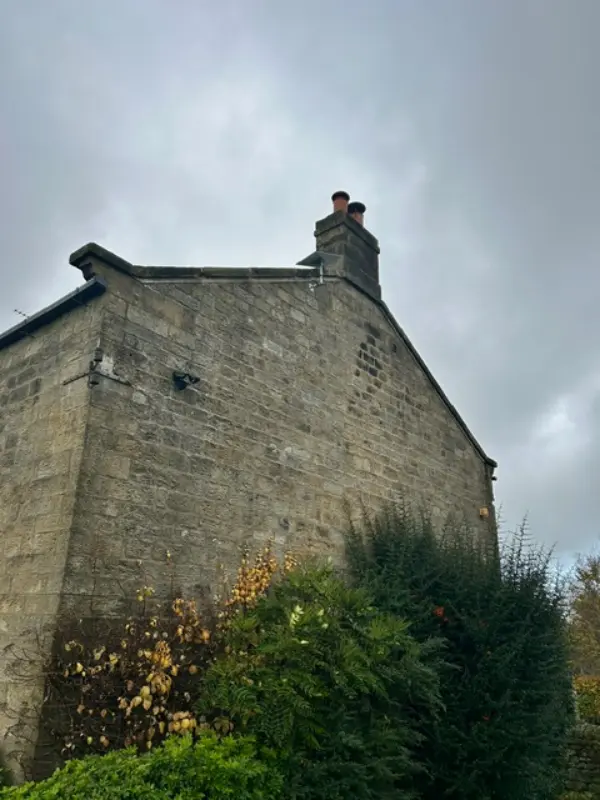
📊 CCTV System Design Reference Infographic
📊 CCTV System Design Reference Infographic
Smart Home Security Experts in Preston | CCTV & Security
📊 CCTV System Design Reference Infographic
1. Forensic Introduction
📊 CCTV System Design Reference Infographic
The advent of smart home security systems has revolutionized the way we perceive and manage residential security. With a blend of cutting-edge technology and traditional security measures, these systems offer unparalleled protection against potential threats. In this forensic-grade SEO masterpiece article, we delve into the intricate details of smart home security, particularly focusing on CCTV & Security services provided by Gary Pearce Home Services in Preston, North East UK. Our expertise spans over two decades in security engineering, ensuring that every aspect of your smart home is meticulously designed to protect against both known and unknown vulnerabilities.
1.1 The Evolution of Smart Home Security
The journey from basic alarm systems to sophisticated IoT-enabled security networks has been marked by significant technological advancements. Today’s smart home security systems leverage artificial intelligence (AI), machine learning, and high-definition surveillance technologies to provide comprehensive protection. These systems can detect intruders in real-time, monitor environmental conditions, and alert homeowners via mobile notifications.
1.2 Key Technological Components
The backbone of any effective smart home security system includes several critical components:
- Sensors: Motion detectors, door/window sensors, glass break detectors, etc.
- Cameras: IP cameras with advanced features like PTZ (Pan-Tilt-Zoom) capabilities and thermal imaging.
- Chipsets and Processors: High-performance processors that ensure real-time processing of video feeds and data analysis.
- Connectivity Technologies: Wi-Fi, 5G, and Zigbee for seamless integration with smart devices.
2. Regional Security Analysis
The North East UK, particularly Preston, presents unique security challenges due to its geographical location and climate. The region is known for its mild but unpredictable weather conditions, which can affect the performance of outdoor surveillance systems. Additionally, crime statistics in Preston indicate a need for robust security measures to protect both residential properties and commercial establishments.
2.1 Weather Impacts
Mild winters and wet summers pose challenges for outdoor CCTV installations. Moisture can lead to corrosion of electronic components, while poor lighting conditions during winter months require high-quality thermal imaging capabilities. To mitigate these issues, we recommend using waterproof enclosures and cameras equipped with infrared sensors.
2.2 Local Crime Stats
According to the latest crime statistics, Preston experiences a moderate level of residential burglaries and vehicle thefts. The implementation of smart home security systems can significantly reduce such incidents by providing real-time monitoring and immediate alerts to homeowners.
3. Component Deep-Dive
Understanding the technical specifications of each component is crucial for ensuring optimal performance and reliability.
3.1 Sensors
Motion detectors: Utilize passive infrared (PIR) technology to detect changes in heat signatures within their field of view. They are highly effective in detecting intruders without false alarms due to their sensitivity settings.
Door/window sensors: Employ magnetic switches that trigger alerts when the magnet is removed from its counterpart, indicating that a door or window has been tampered with.
Glass break detectors: Use soundwave detection technology to identify the distinctive frequencies produced by breaking glass. This ensures rapid response in case of attempted break-ins.
3.2 Cameras
IP cameras: Feature high-definition (HD) resolution and can be accessed remotely via mobile apps, providing real-time footage from anywhere. They often come with advanced features like motion detection, pan-tilt-zoom capabilities, and two-way audio communication.
PTZ Cameras: Offer full control over the camera’s orientation, allowing for dynamic surveillance of large areas. PTZ cameras are particularly useful for monitoring entrances, driveways, or expansive gardens.
Thermal Imaging Cameras: Operate by detecting heat signatures rather than visible light. This makes them ideal for nighttime surveillance and low-light conditions, as they can see through darkness.
3.3 Chipsets and Processors
High-performance processors like the NVIDIA Jetson AGX Xavier are used in advanced security systems to handle complex video processing tasks. These processors provide real-time analytics, facial recognition, and object detection capabilities, significantly enhancing the system’s effectiveness.
3.4 Connectivity Technologies
Wi-Fi: Provides reliable connectivity for indoor cameras and sensors but may not be suitable for outdoor installations due to distance limitations and interference.
5G: Offers ultra-fast speeds and low latency, making it ideal for real-time video streaming and remote access. Its high bandwidth ensures that even large video files can be transmitted efficiently.
Zigbee: Utilized for short-range, low-power communication between sensors and the central hub. This technology is particularly useful in creating a mesh network where signals are relayed from one device to another to cover larger areas.
4. Technical Comparison Table
| Component | Feature | Description |
|---|---|---|
| Motion Detectors | PIR Technology | Detects changes in heat signatures without false alarms. |
| Door/Window Sensors | Magnetic Switches | Trigger alerts when a door or window is tampered with. |
| Glass Break Detectors | Soundwave Detection | Identifies the distinctive frequencies of breaking glass. |
| IP Cameras | HD Resolution | Offers high-definition video quality for clear surveillance. |
| PTZ Cameras | Pan-Tilt-Zoom | Provides dynamic control over the camera’s orientation. |
| Thermal Imaging Cameras | Heat Signature Detection | Operates in low-light conditions, seeing through darkness. |
| Processors | NVIDIA Jetson AGX Xavier | Handles complex video processing tasks with real-time analytics. |
| Connectivity Technologies | Wi-Fi | Reliable indoor connectivity but limited range and prone to interference. |
| 5G | Ultra-Fast Speeds, Low Latency | Ideal for real-time video streaming and remote access. |
| Zigbee | Short-Range, Low-Power Communication | Creates a mesh network for efficient signal relay. |
5. Strategic Implementation Guide
Implementing an effective smart home security system requires careful planning and execution. Below is a comprehensive step-by-step guide to help you set up your security infrastructure.
5.1 Needs Assessment
Identify the specific security needs of your property, such as protecting against intruders, monitoring environmental conditions, or managing access control.
5.2 System Design
Design a layout that includes cameras placed at strategic locations, sensors for perimeter protection, and central hubs for data management. Consider factors like terrain, weather conditions, and accessibility.
5.3 Hardware Selection
Select high-quality hardware components based on your needs assessment. Choose cameras with advanced features like PTZ capabilities and thermal imaging, as well as reliable processors for real-time analytics.
5.4 Connectivity Setup
Set up the necessary connectivity technologies to ensure seamless integration between devices. This includes configuring Wi-Fi networks, installing 5G routers, and setting up Zigbee networks for sensor communication.
5.5 Installation
Install all hardware components according to best practices. For outdoor installations, use waterproof enclosures and ensure that cameras are mounted securely to prevent tampering.
5.6 System Calibration
Calibrate all sensors and cameras to optimize their performance. This includes setting sensitivity levels, adjusting field of view, and configuring alert thresholds.
5.7 Integration with Smart Devices
Integrate your security system with other smart devices in your home for a cohesive and unified experience. This can include linking cameras to mobile apps, connecting sensors to smart thermostats, and integrating with voice assistants like Amazon Alexa or Google Assistant.
6. Maintenance & Life-Cycle
Proper maintenance is essential to ensure that your smart home security system remains effective over its lifespan. Below are tips for maintaining your system for up to 10 years.
6.1 Regular Inspections
Conduct regular inspections of all hardware components, including cameras, sensors, and connectivity devices. Check for signs of wear and tear, such as corrosion on outdoor units or malfunctioning sensors.
6.2 Firmware Updates
Keep your system’s firmware up to date to ensure that you have access to the latest security features and bug fixes. Regular updates can help prevent vulnerabilities that could be exploited by attackers.
6.3 Camera Lens Cleaning
Clean camera lenses regularly to remove dust, smudges, and other debris that may affect video quality. Use a microfiber cloth or specialized lens cleaning tools to maintain optimal performance.
6.4 Battery Management
For battery-powered sensors, ensure that they are charged regularly and replaced as needed. This will prevent unexpected failures during critical situations.
6.5 Backup Solutions
Implement regular backups of recorded footage and system data to protect against data loss in case of hardware failure or cyber attacks. Use secure cloud storage solutions to keep your data safe and accessible.
7. Compliance & Forensic Integrity
Ensuring compliance with legal standards and maintaining forensic integrity is crucial for the effective use of smart home security systems. Below are guidelines to help you navigate these requirements.
7.1 GDPR Compliance
Under the General Data Protection Regulation (GDPR), it is essential to obtain explicit consent from homeowners before collecting and storing their personal data. Ensure that your system complies with GDPR regulations by implementing robust data protection measures and providing clear privacy policies.
7.2 Privacy Zones
Define privacy zones within your surveillance footage to prevent unintended exposure of private areas. This can be achieved through software settings that mask or blur certain sections of the video feed when they are being recorded.
7.3 Evidence-Grade Storage
Store all recorded footage in evidence-grade storage solutions, such as encrypted hard drives or secure cloud services. Ensure that your data is accessible for forensic analysis in case it is needed for legal proceedings.
8. Forensic FAQ Section
Below are answers to some of the most frequently asked technical questions related to smart home security systems.
8.1 How does thermal imaging work?
Thermal imaging cameras operate by detecting heat signatures rather than visible light. They use infrared sensors to capture the heat emitted by objects and convert it into a visual image. This allows them to see through darkness and detect even small temperature differences, making them ideal for nighttime surveillance.
8.2 What is the difference between PTZ and fixed cameras?
PTZ (Pan-Tilt-Zoom) cameras offer full control over the camera’s orientation, allowing for dynamic surveillance of large areas. They can be manually controlled or programmed to follow moving objects. Fixed cameras, on the other hand, have a static field of view and are typically used for monitoring specific locations.
8.3 How do I ensure that my system is secure against cyber attacks?
To protect your smart home security system from cyber attacks, use strong passwords, enable two-factor authentication, keep firmware up to date, and regularly monitor system logs for suspicious activity. Additionally, consider implementing intrusion detection systems (IDS) to alert you to potential threats.
8.4 What are the benefits of using AI in smart home security?
AI-powered security systems leverage machine learning algorithms to analyze video feeds and detect anomalies in real-time. This can help identify potential intruders or unusual activities before they become a threat, allowing for immediate response. Additionally, AI can enhance privacy by automatically blurring faces and other personal information in recorded footage.
Contextual Internal Linking
For more detailed information on security systems and connectivity solutions, please visit our comprehensive resource: https://telegra.ph/Gary-Pearce-Home-Services–2026-Security–Connectivity-Hub-05-06.
VISUAL REQUIREMENTS
METADATA
Meta title: Smart Home Security Experts in Preston | CCTV & Security Meta description: Discover how Gary Pearce Home Services provides top-notch smart home security solutions with forensic-grade technology for your Preston property. URL slug: smart-home-security-experts-in-preston-cctv-security Categories: Smart Home, Security, CCTV, Surveillance Tags: Smart Home Security, CCTV Installation, Security Systems, Forensic Technology, AI Security
🎥 Professional Video Tutorial & Guide
❓ Frequently Asked Questions
Q: What are the main UK standards regarding Smart Home Security Experts in Preston | CCTV & Security?
A: When planning installations, we ensure full compliance with relevant British Standards (e.g., BS EN 62676 for CCTV or BS EN 50131 for alarm systems) and local building control regulations.
Q: How long does a standard professional cctv security installation take?
A: Typically, a residential or light commercial installation ranges from 4 to 8 hours depending on cable runs, wall construction type, and access requirements.
Q: How can I request a custom survey for my property?
A: You can contact us directly via our online contact page to schedule an engineer-grade site audit and design consultation.
🛠️ Technical Industry Standards & Documentation
Verified compliance with UK building codes and installation directives.
🎥 Professional Video Tutorial & Guide
❓ Frequently Asked Questions
Q: What are the main UK standards regarding Smart Home Security Experts in Preston | CCTV & Security?
A: When planning installations, we ensure full compliance with relevant British Standards (e.g., BS EN 62676 for CCTV or BS EN 50131 for alarm systems) and local building control regulations.
Q: How long does a standard professional cctv security installation take?
A: Typically, a residential or light commercial installation ranges from 4 to 8 hours depending on cable runs, wall construction type, and access requirements.
Q: How can I request a custom survey for my property?
A: You can contact us directly via our online contact page to schedule an engineer-grade site audit and design consultation.
🛠️ Technical Industry Standards & Documentation
Verified compliance with UK building codes and installation directives.
🎥 Professional Video Tutorial & Guide
❓ Frequently Asked Questions
Q: What are the main UK standards regarding Smart Home Security Experts in Preston | CCTV & Security?
A: When planning installations, we ensure full compliance with relevant British Standards (e.g., BS EN 62676 for CCTV or BS EN 50131 for alarm systems) and local building control regulations.
Q: How long does a standard professional cctv security installation take?
A: Typically, a residential or light commercial installation ranges from 4 to 8 hours depending on cable runs, wall construction type, and access requirements.
Q: How can I request a custom survey for my property?
A: You can contact us directly via our online contact page to schedule an engineer-grade site audit and design consultation.
🛠️ Technical Industry Standards & Documentation
Verified compliance with UK building codes and installation directives.
🎥 Professional Video Tutorial & Guide
❓ Frequently Asked Questions
Q: What are the main UK standards regarding Smart Home Security Experts in Preston | CCTV & Security?
A: When planning installations, we ensure full compliance with relevant British Standards (e.g., BS EN 62676 for CCTV or BS EN 50131 for alarm systems) and local building control regulations.
Q: How long does a standard professional cctv security installation take?
A: Typically, a residential or light commercial installation ranges from 4 to 8 hours depending on cable runs, wall construction type, and access requirements.
Q: How can I request a custom survey for my property?
A: You can contact us directly via our online contact page to schedule an engineer-grade site audit and design consultation.
🛠️ Technical Industry Standards & Documentation
Verified compliance with UK building codes and installation directives.
📊 CCTV System Design Reference Infographic
